
At Restoration Eye Care in Columbia, MO, we help patients understand why involuntary eyelid spasms happen and what effective treatment looks like. Many people searching for blepharospasm treatment or an ophthalmologist near you want straightforward answers about symptoms, diagnosis, treatment options, and recovery time. Blepharospasm can interfere with reading, driving, screen use, and daily comfort, so we take a careful, practical approach to evaluation and long-term management.
What Is Blepharospasm?
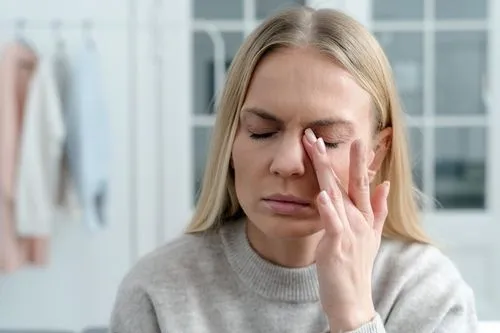
Blepharospasm is a neurological condition that causes involuntary contractions of the muscles around the eyes. It often starts with increased blinking or mild twitching, but it can progress into stronger spasms or repeated eyelid closure. Abnormal signaling in the brain’s movement pathways plays an important role, and symptoms may worsen with stress, fatigue, bright light, or irritation on the surface of the eye.
What Symptoms Should I Watch For?
Common symptoms include frequent blinking, eyelid twitching, eye strain, light sensitivity, dryness, and episodes where the eyelids close without control. Some patients notice that symptoms begin mildly and then become more disruptive over time. If your blinking pattern changes or you struggle to keep your eyes open during normal activities, an evaluation is important.
How Do We Diagnose Blepharospasm?
We diagnose blepharospasm through a detailed eye examination. We assess eyelid movement, muscle activity, and the overall condition of the eye surface. We also look for related problems such as dry eye disease or eyelid inflammation that may worsen symptoms. Accurate diagnosis matters because other conditions can mimic blepharospasm.
What Treatments Are Available?
The most effective blepharospasm treatment usually involves targeted injections that relax the overactive eyelid muscles. This approach can reduce spasms and improve comfort for several months at a time. We may also recommend protective eyewear, light management, and steps to reduce common triggers. In more severe cases, surgical treatment may be considered, though most patients respond well to nonsurgical care.
How Long Does Recovery Take After Treatment?
Recovery depends on the treatment used. After injections, most patients return to normal daily activities quickly, though the full effect may take several days to become noticeable. The improvement is temporary, which means repeat treatment is often necessary to maintain results. When surgery is needed, recovery takes longer and depends on the specific procedure performed.
Can Blepharospasm Be Cured?
Blepharospasm is usually a chronic condition, but many patients achieve significant relief with consistent care. The goal is to reduce spasm frequency, improve visual function, and make daily life more manageable over time.
Schedule Blepharospasm Treatment in Columbia, MO
If blepharospasm is affecting your comfort or vision, Restoration Eye Care in Columbia, MO is here to help. Call (573) 441-7070 to schedule an appointment with an ophthalmologist near you and learn more about personalized blepharospasm treatment.

