
- posted: Jun. 02, 2025
Understanding Blepharospasm: The Causes and Symptoms Behind Unruly Eyelids
Have you ever experienced your eyelid fluttering like a nervous butterfly, completely beyond your control? While occasional eye twitches are common and leave as mysteriously as they arrive, persistent episodes might signal blepharospasm. This is a condition where your eyelids stage their own impromptu performance without your consent.
When Eyelids Write Their Own Script
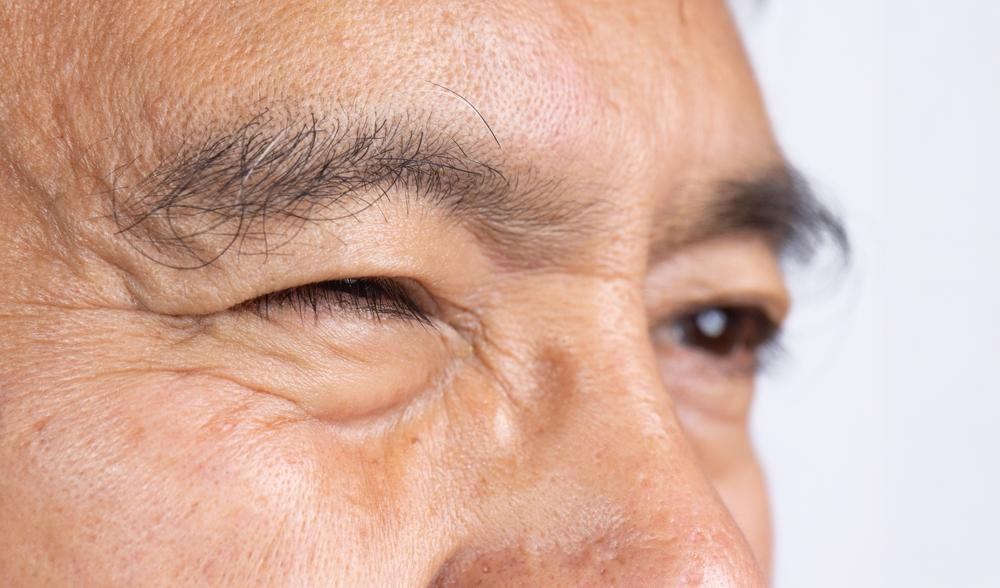
Blepharospasm is not just an occasional twitch. It is a neurological condition characterized by involuntary, forceful blinking or spasms of the eyelids that can escalate from mildly annoying to significantly disruptive. These muscle contractions feel like someone else has seized control of your eyelids, causing them to close against your will, sometimes for seconds, sometimes longer.
The earliest signs often masquerade as ordinary eye irritation. You might notice increased blinking, a gritty sensation, or heightened sensitivity to bright lights. Morning mirrors might reveal eyes that appear normal while feeling anything but. As the condition progresses, these subtle hints transform into more insistent symptoms:
• Uncontrollable blinking that increases during periods of fatigue, stress, or bright light
• Spasms that arrive in episodes rather than constant twitching
• Facial spasms that might eventually involve the lower face
• Periods where keeping your eyes open becomes a genuine struggle
• Temporary "functional blindness" during severe episodes
The Mysterious Origins
The precise cause remains partially veiled in medical mystery. Researchers believe blepharospasm stems from basal ganglia dysfunction. This is the brain area responsible for coordinating muscle movements. Rather than a single cause, several factors likely contribute:
• Genetic predisposition
• Environmental triggers like eye irritation or dry eye
• Certain medications affecting dopamine pathways
• Previous head or facial trauma
• Underlying neurological conditions
Importantly, blepharospasm is not caused by stress, although stress can certainly amplify its expression. It is not your fault, and it is not "all in your head". This is a real neurological condition with physical manifestations.
Call Our Ophthalmologist near You for the Support You Deserve
Are you experiencing persistent eye twitching that is disrupting your daily life? Our team at Restoration Eye Care in Columbia, MO, specializes in diagnosing and treating blepharospasm with the most advanced techniques available. Call (573) 441-7070 today to schedule your consultation and take the first step toward quieting those restless eyelids.

CareCredit makes the health, wellness, and treatments you want possible today.
Contact Us
Office Hours
7:30 am - 4:30 pm
7:30 am - 4:30 pm
7:30 am - 4:30 pm
7:30 am - 4:30 pm
8:00 am - 12:00 pm
Closed
Closed
Location
Find us on the map
Restoration Eye Care
1410 Forum Katy Pkwy #100
Columbia, MO 65203
